

As your business grows, keeping track of your finances becomes a little more complicated. You're bringing in more revenue, managing more expenses, and making bigger decisions about where your money should go. While growth is exciting, it can also make it harder to understand how your business is actually performing financially.
One of the biggest mistakes business owners make is assuming that increasing sales automatically means increasing profits. Unfortunately, that's not always the case. Your revenue might be growing, but if your expenses are growing even faster, you could actually be making less money than before.
That's where your financial reports come in. QuickBooks Online has several reports that can help you understand your profitability, monitor cash flow, and make more informed business decisions. The key is knowing which reports to review and, more importantly, what the numbers are telling you.
Whether you're managing a growing service-based business, retail store, or another small business, these five QuickBooks reports are a great place to start.
Not using QuickBooks Online yet? Oak and Ledger can help you get started and explore accountant referral pricing. Contact us about QuickBooks Online pricing.
1. Profit and Loss Report: Is Your Business Actually Profitable?
Your Profit and Loss report, sometimes referred to as an income statement, is one of the most important financial reports you can review as a business owner. It provides a breakdown of your revenue, expenses, and net income over a specific period, giving you a clearer picture of whether your business is actually making money.
For example, let's say your business generates $50,000 in revenue during the month. At first glance, that sounds like a great month! But after accounting for payroll, rent, supplies, software, and other operating expenses, you might discover that your business only earned $5,000 in profit. While that doesn't necessarily mean your business is struggling, it does show why looking at revenue alone doesn't tell the whole story.
What Should Growing Businesses Look for in Their Profit and Loss Report?
As your business grows, one of the most valuable things you can do is compare your Profit and Loss reports from month to month. This allows you to identify trends in revenue, monitor rising expenses, and determine whether your profit margins are improving or declining.
For example, if your revenue increased by 20% compared to last month but your expenses increased by 35%, that's something worth investigating. You might be spending more to support your growth, which isn't necessarily a bad thing, but you'll want to understand whether those additional expenses are producing the results you expected.
I recommend reviewing your Profit and Loss report at least monthly and comparing it to previous periods. Over time, these comparisons can help you identify seasonal trends, evaluate business decisions, and understand how profitable your growth really is.
2. Balance Sheet: Understanding Your Business's Financial Position
While your Profit and Loss report shows how your business performed over a period of time, your Balance Sheet provides a snapshot of your financial position on a specific date. It shows what your business owns (assets), what it owes (liabilities), and the owner's equity in the business.
This is particularly important for growing businesses because having money in the bank doesn't necessarily mean your business is in a strong financial position. For example, you might have $75,000 sitting in your business bank account, but if you also have $40,000 in outstanding vendor bills, $20,000 in credit card balances, and upcoming loan payments, that bank balance starts to look a little different.
Why Does the Balance Sheet Matter as Your Business Grows?
As businesses expand, they often take on additional financial obligations. You might purchase new equipment, increase inventory, finance a vehicle, or take out a loan to support operations. While these decisions can be necessary for growth, they also affect your business's overall financial position.
Reviewing your Balance Sheet regularly helps you monitor outstanding debt, understand your available resources, and evaluate how your business is financing its growth. It can also help you identify potential issues, such as increasing credit card balances or liabilities that are growing faster than your assets.
I recommend reviewing your Balance Sheet monthly, ideally alongside your Profit and Loss report. Looking at these reports together gives you a much more complete understanding of your business's financial health.
3. Statement of Cash Flows: Where Is All Your Money Going?
Have you ever looked at your Profit and Loss report, seen that your business made a profit, and then wondered why your bank account doesn't seem to reflect it? This is one of the most common frustrations business owners experience, especially as their businesses grow.
The reason is simple: profit and cash flow are two different things. Depending on your accounting method, your business can recognize revenue before receiving payment, and certain cash payments, such as loan principal payments, won't appear as expenses on your Profit and Loss report.
Your Statement of Cash Flows helps explain these differences by showing how cash moves in and out of your business through operating, investing, and financing activities.
How Can Cash Flow Reports Help You Make Better Decisions?
Let's say your business had one of its most profitable months yet. However, during that same month, you purchased new equipment, paid down a business loan, and invested in additional inventory. While these transactions might not all reduce your reported profit immediately, they can significantly reduce the cash available in your bank account.
Understanding these differences becomes especially important when you're considering hiring another employee, expanding your operations, or making a large purchase. Just because your business is profitable doesn't necessarily mean you have enough cash available to comfortably support those decisions.
Reviewing your Statement of Cash Flows monthly can help you better understand where your money is going and identify patterns that may affect your ability to fund future growth. For businesses experiencing tight cash flow, pairing this report with a forward-looking cash flow forecast can be especially helpful.
4. Accounts Receivable Aging Report: Who Still Owes Your Business Money?
If your business invoices customers and allows them to pay at a later date, your Accounts Receivable Aging report is one you'll want to become familiar with. This report shows which customers have outstanding invoices and how long those invoices have remained unpaid.
For example, let's say your business generated $80,000 in sales this month, but $30,000 of those sales are still sitting in unpaid customer invoices. While those sales may appear on your Profit and Loss report if you're using accrual accounting, you haven't actually collected all that money yet. Meanwhile, you still have payroll, rent, vendor payments, and other operating expenses that need to be paid.
Why Is Accounts Receivable Important for Growing Businesses?
As your business grows, managing customer payments becomes increasingly important. A few overdue invoices might not seem like a big deal when your business is smaller, but as your sales volume increases, unpaid invoices can quickly add up and create cash flow challenges.
Your Accounts Receivable Aging report organizes outstanding invoices based on how long they've been unpaid, making it easier to identify customers who need a payment reminder or follow-up. Regularly reviewing this report can also help you recognize patterns, such as customers who consistently pay late or payment terms that may need to be reconsidered.
For businesses that regularly invoice customers, I recommend reviewing this report weekly. However, if you operate a retail store, restaurant, or another business where customers typically pay at the time of purchase, this report may not be as relevant to your day-to-day operations.
5. Expenses by Vendor: Are Your Business Expenses Getting Out of Control?
As businesses grow, expenses have a way of increasing without anyone really noticing. You add another software subscription, hire a new service provider, start ordering from additional vendors, or upgrade systems to keep up with demand. Individually, these expenses might seem relatively small, but over time, they can have a significant impact on your profitability.
QuickBooks Online allows you to review your spending by vendor, helping you understand where your money is going and identify expenses that might deserve a closer look.
For example, let's say you're spending $800 per month across different software subscriptions. That's $9,600 per year! While some of those subscriptions may be essential to running your business, others might be services you no longer use or tools that overlap with something you're already paying for.
How Can Reviewing Vendor Expenses Improve Profitability?
Reviewing expenses by vendor gives you an opportunity to evaluate whether your spending still makes sense for your business. You might discover that a vendor has gradually increased their pricing, that you're paying for duplicate services, or that certain operating expenses are growing faster than expected.
For businesses with multiple locations, larger transaction volumes, or several recurring vendors, these reviews can be especially valuable. Even small adjustments can make a meaningful difference when you're managing a growing operation.
The goal isn't necessarily to cut every expense possible. Sometimes spending more is exactly what your business needs to grow. The important thing is understanding what you're spending money on and whether those expenses are helping your business move forward.
I recommend reviewing vendor expenses monthly or quarterly, depending on your business's size and transaction volume.
How Often Should You Review Your QuickBooks Financial Reports?
One of the biggest misconceptions about financial reporting is that you need to spend hours reviewing numbers every week to stay on top of your business finances. In reality, having a consistent reporting routine is much more valuable than constantly checking your numbers without knowing what you're looking for.
For most growing businesses, reviewing your Profit and Loss, Balance Sheet, and Statement of Cash Flows monthly is a great starting point. If you regularly invoice customers, checking your Accounts Receivable Aging report weekly can help you stay ahead of overdue payments. Vendor expenses can typically be reviewed monthly or quarterly, depending on your operations.
As your business becomes more complex, you may also benefit from additional reporting, such as revenue by product or service, inventory performance, or profitability by location. The reports that matter most will depend on how your business operates and the decisions you're trying to make.
Ultimately, the goal is to develop a reporting routine that gives you useful information without adding unnecessary work to your already busy schedule.
Ready to Get Your Monthly Bookkeeping Organized?
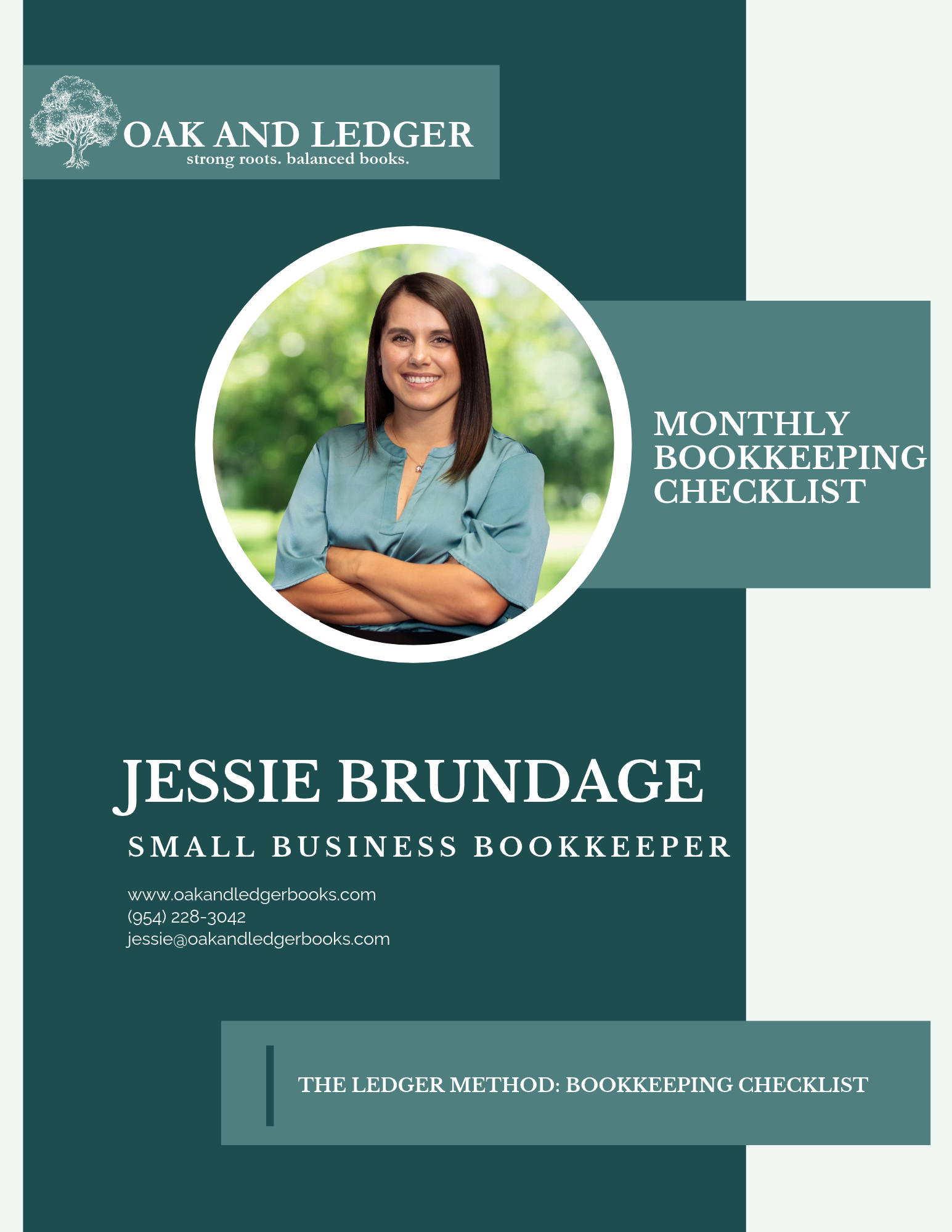
Knowing which financial reports to review is one thing, but keeping your books organized enough to rely on those reports is another.
That's why I created The Ledger Method Monthly Bookkeeping Checklist, a free resource to help business owners stay consistent with their bookkeeping, catch potential issues, and build better financial habits as their businesses grow.
Whether you're handling your own books or getting ready to hand them off to a professional, this checklist will help you create a more organized monthly routine.
Enter your email below and I'll send the checklist straight to your inbox!
Your QuickBooks Reports Are Only as Accurate as Your Bookkeeping
Here's something I always want business owners to remember: just because QuickBooks can generate a financial report doesn't automatically mean the information in that report is accurate.
If transactions are categorized incorrectly, bank accounts haven't been reconciled, or sales from your point-of-sale system aren't being recorded properly, your financial reports may not reflect what's actually happening in your business.
This becomes increasingly important as your business grows. When you're processing hundreds or thousands of transactions each month, small bookkeeping errors can accumulate and make it difficult to rely on your numbers.
Accurate, consistent bookkeeping is what makes your financial reports useful. Without it, you're essentially making business decisions based on information that may not tell the full story.
And when you're deciding whether to hire employees, increase spending, expand locations, or make other significant investments, you want to feel confident that the numbers you're reviewing are reliable.
Want to Feel More Confident Using QuickBooks Online?
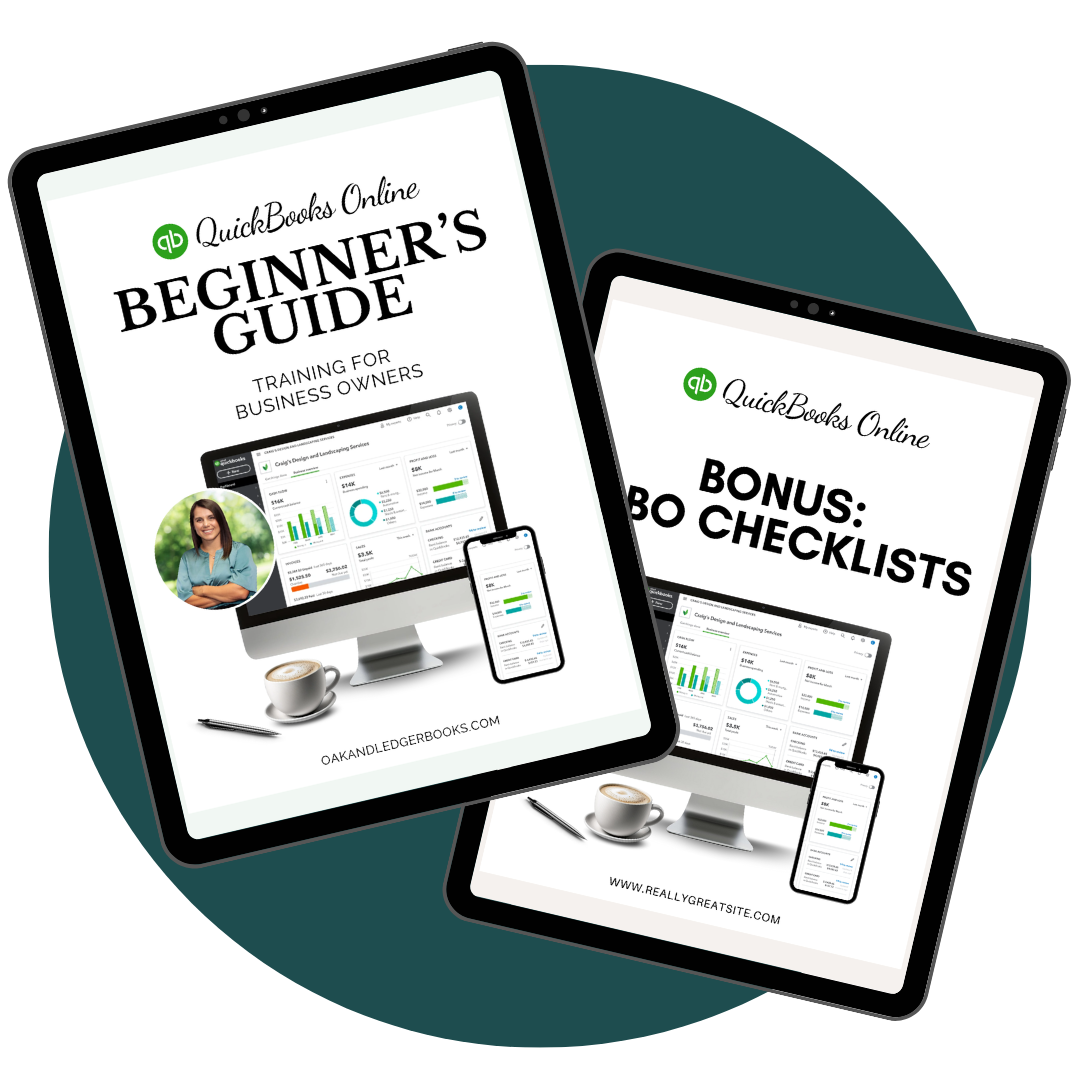
Understanding your financial reports is just one part of learning how to use QuickBooks effectively. If you're managing your own bookkeeping and still getting comfortable with the software, my QuickBooks Online Beginner's Guide can help you build a stronger foundation and feel more confident navigating your books.
Frequently Asked Questions About QuickBooks Reports
What are the most important QuickBooks reports for a small business?
The Profit and Loss report, Balance Sheet, and Statement of Cash Flows are three of the most important financial reports for understanding profitability, financial position, and cash flow. Depending on how your business operates, Accounts Receivable Aging and Expenses by Vendor reports can also provide valuable insights.
How do I know if my business is profitable in QuickBooks?
You can review your Profit and Loss report in QuickBooks Online to see your revenue, expenses, and net income over a selected period. Comparing reports across multiple months can help you understand whether your business is becoming more profitable as it grows.
How often should growing businesses review financial reports?
Most growing businesses should review their primary financial reports monthly. Businesses that invoice customers may also benefit from reviewing outstanding receivables weekly to monitor overdue payments and manage cash flow.
Can QuickBooks reports help improve cash flow?
Yes. QuickBooks reports can help you identify unpaid invoices, monitor spending, and understand how cash moves through your business. Reviewing these reports regularly can help you recognize potential cash flow challenges before they become larger problems.
Make Your Financial Reports Work for Your Business
Growing a business involves more than increasing sales. It also means understanding your profitability, managing cash flow, monitoring expenses, and making informed decisions about what comes next. Your QuickBooks reports can provide valuable insight into all of these areas, but only when your bookkeeping is accurate and you're taking the time to understand what the numbers mean.
At Oak and Ledger, we help growing businesses maintain organized, accurate financial records so they can spend less time worrying about their books and more time focusing on running their businesses.
Whether you're dealing with increasing transaction volumes, multiple revenue streams, or simply need more confidence in your financial information, we're here to help.
Ready for bookkeeping that keeps up with your business?
Proudly serving businesses throughout South Florida and beyond.